
Protect a 90-minute peak creative block every day, match your work to the right phase (explore, create, refine, deliver), and treat AI as a support tool rather than a creative substitute. That single plan covers the majority of what separates creatives who ship consistently from those who stay stuck. According to first-hand research, the average creative professional uses between 5 and 8 different AI tools for a single piece of content, and the context-switching cost alone eats hours that should go to actual making. James C. Kaufman, who researches creativity at the University of Connecticut, puts it plainly: creativity is trying something new in any discipline, and that effort cannot be outsourced. Promptlyfreelance’s prompt libraries and workflow templates are built around exactly this principle.
TL;DR — start here today:
- Block one 90-minute window during your peak energy hours and label it “deep create” in your calendar.
- Pick one project. Work only on that during the block.
- Schedule a 20–30 minute incubation window (a walk, not a scroll) immediately after.
- Set one AI guardrail: no AI input until you have a human-written first draft.
Table of Contents
- 1. Daily habits are the foundation of creative productivity
- 2. Incubation intervals generate better ideas than grinding does
- 3. Attention management protects the mental state creativity needs
- 4. Energy-based scheduling outperforms rigid time-blocking
- 5. AI works best as a refinement tool, not an idea generator
- 6. A 30-day plan makes these habits stick
- 7. Common mistakes that quietly kill creative output
- Key Takeaways
- What actually separates creatives who ship from those who don’t
- Promptlyfreelance gives you the templates to make this work immediately
1. Daily habits are the foundation of creative productivity
A daily recipe of gratitude, mindfulness, exercise, and quality sleep raises baseline creative capacity more reliably than any single tool or technique, according to Steven Kotler’s synthesis of performance research. Sleep restores executive function; without it, your ability to form novel associations drops measurably. Exercise increases cognitive flexibility. A short mindfulness cue before a creative session reduces the intrusive self-judgment that kills early drafts.
Practical micro-routine:
- 5 minutes of morning gratitude (three specific things, written by hand)
- A 10-minute mobility walk before your first creative block
- A 5-minute breathing or body-scan cue immediately before sitting down to create
Pro Tip: Stack all three into a single 20-minute morning ritual. Deciding whether to do them separately costs more mental energy than the habits themselves. One ritual, one trigger, zero decisions.
2. Incubation intervals generate better ideas than grinding does
Scheduled incubation intervals — periods of low-demand activity where the mind wanders freely — reliably increase divergent thinking and the quality of ideas that follow. Stefani Righi’s work makes the mechanism clear: the brain forms novel associations during mind-wandering that focused attention actively suppresses. The catch is that the activity matters. Walking or doing light chores boosts divergent thinking; passive social scrolling does not, because it re-engages the same attentional networks you are trying to rest.
A workable daily rhythm: a 60–90 minute exploration block, then a 20–40 minute incubation walk, then a 90-minute execution block. Capture ideas during incubation with one tool only — a voice memo app or a single notebook — so you are not hunting across five apps later.

3. Attention management protects the mental state creativity needs
Task resumption after an interruption can take more than 20 minutes for complex creative work. That number makes the math brutal: three interruptions in a morning session can wipe out an entire creative block before you realize it. Batching administrative tasks into a single afternoon window and protecting your morning for creation is the single highest-leverage schedule change most creatives can make.
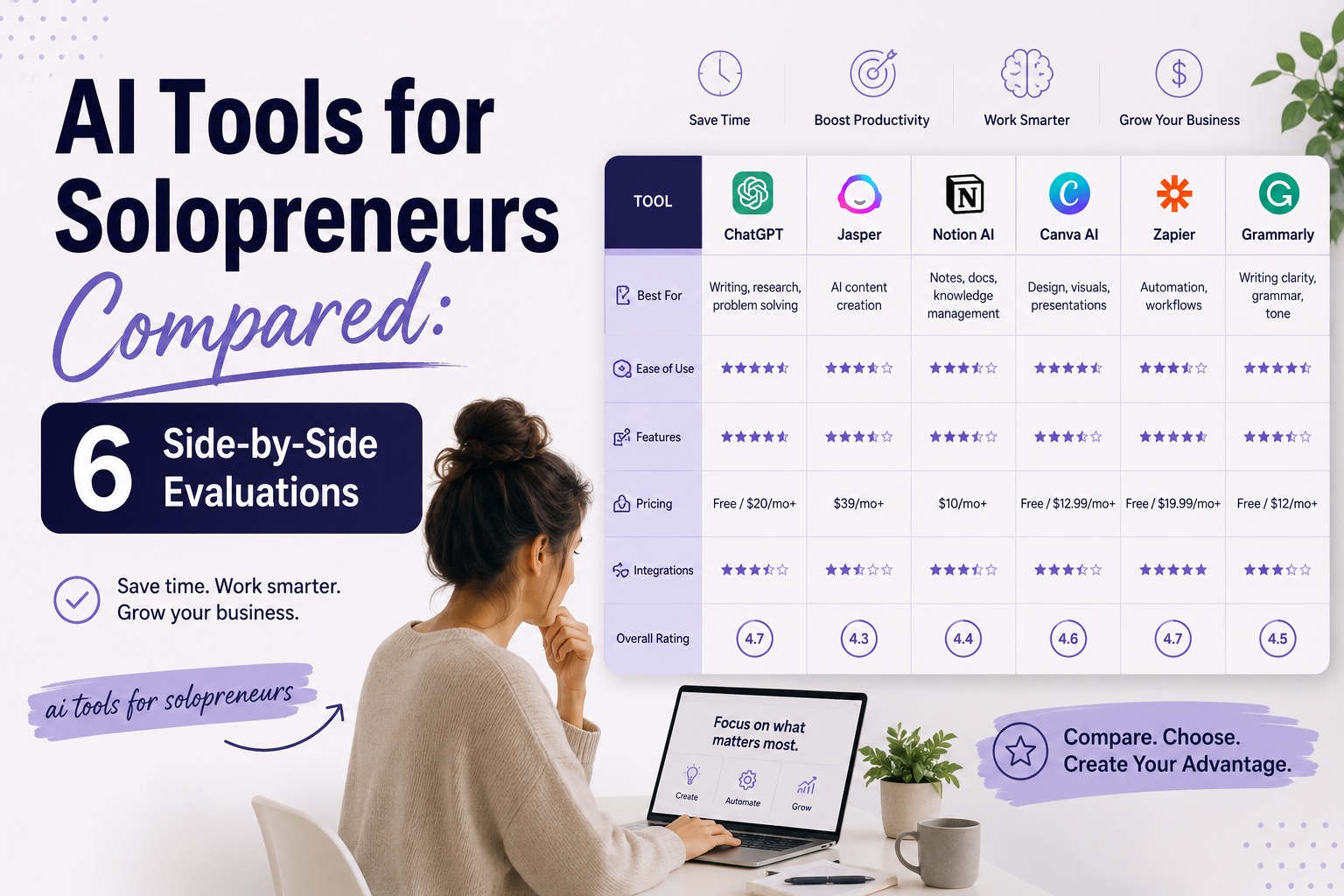
The average creative professional uses between 5 and 8 different AI tools for a single piece of content. Each tool switch carries a cognitive toll. Consolidating routine tasks into one or two trusted workflows, or using a unified workspace, cuts that overhead significantly.
Pro Tip: Use a 3-step transition ritual to restore context fast: clear your screen, take 90 seconds of slow breathing or a quick scribble, then read the last line of your prior work. That sequence re-anchors your mental state in under two minutes.
Checklist for a protected creative block:
- Block the time in your calendar with a specific label (“deep create — article draft”).
- Set your phone to Do Not Disturb and close all non-essential tabs.
- Notify collaborators of your unavailable window in advance.
- Place a physical cue at your workspace (a specific mug, a closed door) that signals focus mode.
4. Energy-based scheduling outperforms rigid time-blocking
Most creatives hit their peak creative energy in the first 2–4 hours after waking, aligned with ultradian rhythms that favor 90-minute focused intervals. Scheduling high-demand creative work during that window and pushing email, invoicing, and admin into the afternoon is not a preference — it is a physiological match. Rigid time-blocking that ignores energy levels fills your best hours with the wrong tasks.
Map your own energy by tracking three workdays: note when original thinking feels sharp and when it feels forced. The pattern usually emerges within two days. Once you know your peak window, energy-based scheduling becomes the organizing principle for everything else.
For readers who want a practical tool to batch and track workflow data, AI-powered spreadsheet features can handle the reporting side so your creative hours stay clear of admin.
5. AI works best as a refinement tool, not an idea generator
Treat AI as an assistant during the refinement and delivery phases, and as a sparring partner during exploration — never as a replacement for original idea generation. Heavy AI use during ideation shifts thinking from divergent to convergent, narrowing the field of possible ideas to a single response. That is the opposite of what early creative work needs.
A practical AI workflow:
- Load: collect inspiration, references, and raw notes with no AI.
- Draft: write or design the first version entirely by hand.
- Incubate: step away (see Section 2).
- AI assist: use AI for structural variants, headline options, or copy edits.
- Human edit: revise the AI output before it touches a client.
- Deliver: use automation for formatting, routing, and version control.
Promptlyfreelance’s prompt libraries for freelancers are built for steps 4 and 5 specifically — ready-to-use templates that slot into the refinement phase without pulling you into open-ended AI sessions that dilute your original voice. For a broader look at which AI tools for freelancers hold up across phases, Promptlyfreelance’s expert analysis covers the tradeoffs in detail.
6. A 30-day plan makes these habits stick
Week 1: Audit and protect
- Track your energy for three days — note peak and trough hours.
- Block one 90-minute “deep create” window in your calendar every morning.
- Count your current AI tools. List which phase each one serves.
Week 2: Add incubation and transition rituals
- Schedule a 20–30 minute post-block walk every day.
- Practice the 3-step transition ritual (screen clear, breathing, re-read last line) before each block.
- Set up one capture tool for incubation ideas (voice memos or a single notebook).
Week 3: Consolidate AI workflows
- Drop any AI tool that duplicates another’s function.
- Build or adopt a prompt library for your most repetitive refinement tasks.
- Enforce the human-first rule: no AI input before a complete human draft exists.
Week 4: Measure and iterate
- Count uninterrupted creative blocks completed per week.
- Track projects moved from ideation to a finished deliverable.
- Note your AI tool count before and after consolidation.
Calendar event template: Title: “Deep Create — [Project Name].” Description: “No meetings, no Slack. Output goal: [one specific deliverable].”
7. Common mistakes that quietly kill creative output
The most damaging habits are also the most normalized: using AI for ideation before any human draft exists, running more than 3–5 active projects simultaneously, and scheduling creative work around meetings rather than protecting it first.
Meaningful progress on concurrent projects typically holds up to three to five at once; for deep original work, that number often drops to three. Beyond that, quality declines and revision counts rise — a measurable early-warning sign.
Common traps and short fixes:
- Over-relying on AI for ideation: enforce a human-only first draft before any AI session.
- Multitasking during creative blocks: batch all admin into one afternoon window.
- Poor sleep: treat it as a creative input, not a lifestyle variable.
- Scheduling peak hours around meetings: block creative time first, then schedule meetings around it.
Pro Tip: Watch for these early burnout signals: rising revision counts on work you used to finish quickly, a feeling that nothing you produce is original, and increased rework on completed projects. Any two of these together is a signal to cut your project load and restore your sleep and incubation schedule before the pattern deepens.
Key Takeaways
Protecting one daily 90-minute creative block, running a five-day energy audit, and consolidating AI tools into phase-specific workflows are the three moves with the highest return on creative output.
| Point | Details |
|---|---|
| Protect your peak block | Schedule one 90-minute “deep create” window during your first 2–4 hours after waking. |
| Incubate deliberately | A 20–40 minute walk after a creative block increases idea quality more than pushing through. |
| Cap active projects | Limit concurrent projects to 3–5; for deep original work, aim for three. |
| AI belongs in refinement | Use AI for structure, variants, and edits only after a complete human draft exists. |
| Promptlyfreelance prompt libraries | Ready-to-use templates for refinement and delivery phases reduce tool-switching and protect your original voice. |
What actually separates creatives who ship from those who don’t
The conventional advice on creative productivity focuses on tools and time. The real gap is almost always cognitive load: too many open loops, too many AI sessions started before a human idea exists, and a schedule that treats creative work as whatever fits between meetings.
The research here points in one direction consistently. Incubation is not optional downtime — it is a scheduled cognitive process. The daily habit recipe from Kotler is not self-care advice — it is the physiological setup for executive attention. And the 5–8 AI tools problem is not solved by finding a better tool; it is solved by reducing the number.
What I find most underestimated: the human-first draft rule. Creatives who write or sketch a complete rough version before touching AI consistently produce more original final work than those who use AI to get started. The draft does not need to be good. It needs to exist, in your voice, before any outside input narrows the possibility space.
Promptlyfreelance gives you the templates to make this work immediately
Knowing the system is one thing. Having the actual prompts, workflow guides, and calendar templates ready to drop into your process is another. Promptlyfreelance offers ready-to-use AI prompt libraries and workflow guides built specifically for freelancers and creative professionals — covering refinement prompts, client outreach templates, and phase-matched automation setups that cut tool count without cutting output.
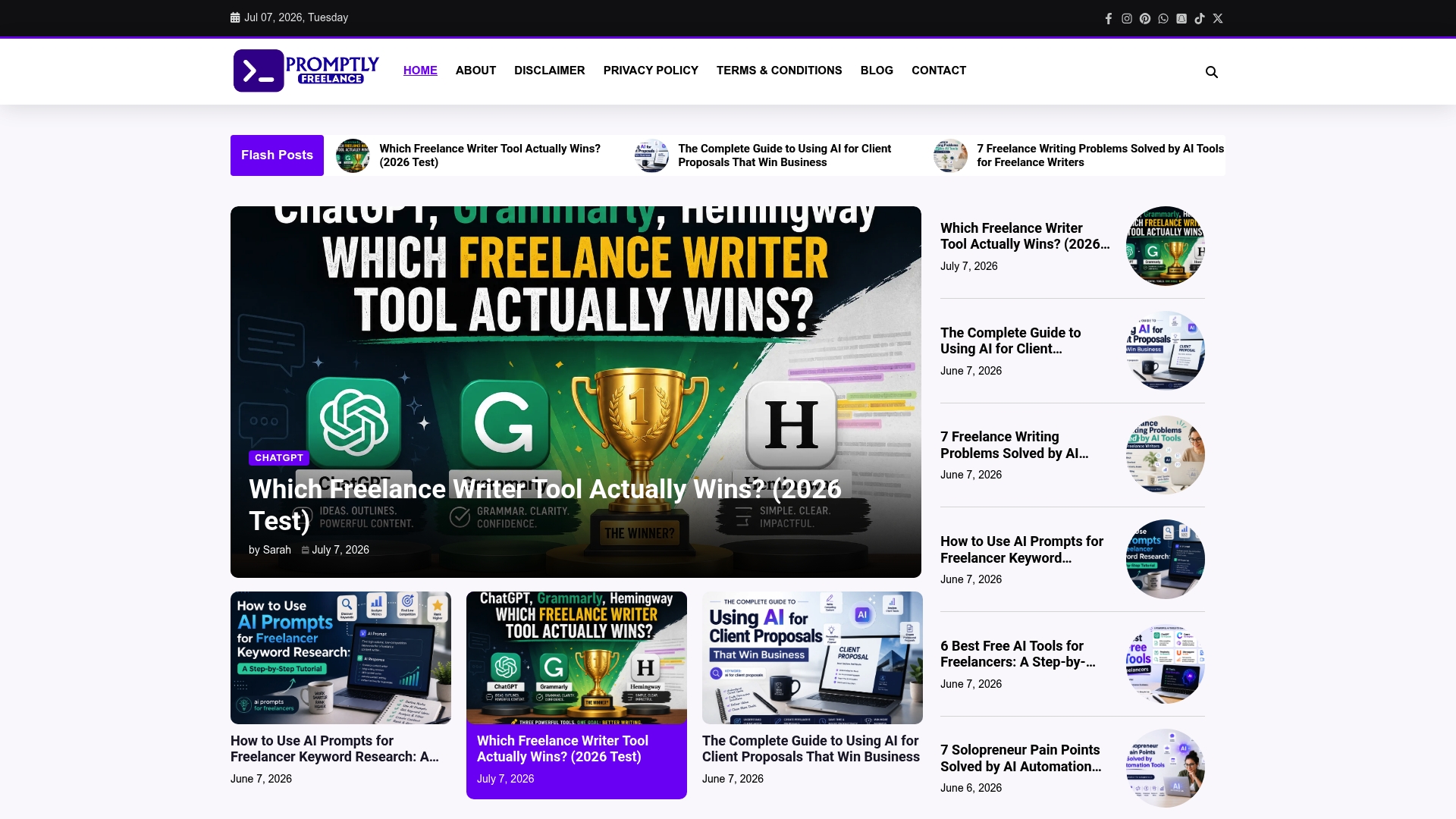
The prompt libraries map directly to the refinement and delivery phases covered in this article, so you are not adapting generic prompts to a creative workflow — they are already built for it. The best AI tools analysis for freelancers on Promptlyfreelance walks you through which tools to keep, which to drop, and how to set up the guardrails described here. Start there, pick two tools, and run Week 3 of the 30-day plan with actual resources in hand.